 Coaching Centre
Living resources and caring for Country
Living resources from plants, animals, fungi and bacteria, forests and fisheries, palm oil, and how Aboriginal and Torres Strait Islander knowledge is used to manage land, fire, water and animals, including cultural burning, the Budj Bim eel traps, the Brewarrina fish traps, Indigenous rangers and Booderee National Park.
At Budj Bim in western Victoria, the Gunditjmara people dug channels, weirs and ponds in an old lava flow to trap and farm short-finned eels. Parts of the system are more than 6600 years old, older than the pyramids of Egypt. Some of the eels were smoked and traded far across the country. In 2019 Budj Bim became the first place in Australia added to the World Heritage List purely for its Aboriginal cultural values.
Living resources
Living resources come from the biosphere. They are renewable as long as they are harvested no faster than they can grow back.
| Living thing | Resources |
|---|---|
| Plants | Food, timber, paper, cotton, medicines (aspirin first came from willow bark), biofuels |
| Animals | Meat, fish, milk, eggs, wool, leather, honey |
| Fungi | Mushrooms, yeast for bread, antibiotics such as penicillin |
| Bacteria | Yoghurt and cheese, cleaning sewage, making insulin and other medicines |
Living and non-living resources are linked. Fossil fuels were once living things, and fertile soil relies on living organisms to keep recycling nutrients.
Pressure on living resources
- Forests provide timber, but clearing them destroys habitat, releases stored carbon and causes erosion. Sustainable forestry replants and harvests only a small part of a forest at a time.
- Fisheries collapse if overfished (topic 7A). Australian fisheries are managed with catch limits, size limits and marine parks where fishing is banned, giving fish a place to breed.
- Palm oil is in about half of supermarket packaged products, from chocolate and chips to shampoo. Most is grown in Indonesia and Malaysia, where rainforest has been cleared for plantations, threatening orangutans and Sumatran tigers. Clearing rainforest on peat bogs releases huge amounts of stored carbon. Some palm oil is certified as sustainably produced.
Caring for Country
Aboriginal and Torres Strait Islander peoples managed the land, water and animals of this continent sustainably for more than 60 000 years. For First Nations people, Country means more than land: it includes the water, sky, plants, animals, people and stories that belong together, and the responsibility to look after them. Knowledge passed down over hundreds of generations includes:
- Harvesting rules: taking only what is needed, leaving breeding animals and some eggs, and protecting places where animals breed. Totems and kinship give each person responsibility for particular species.
- Seasonal calendars that match harvesting to flowering, breeding and weather (topic 6G).
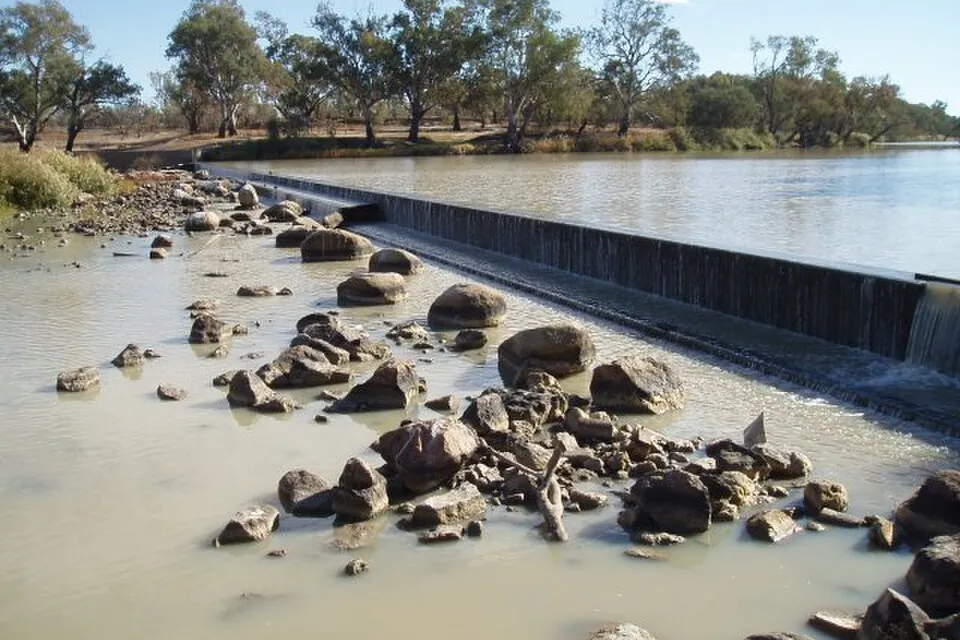
- Fish traps: at Brewarrina in north-western NSW, the Ngemba people built a net of stone walls and ponds across the Barwon River, known as Baiame's Ngunnhu. Families shared it under rules about who could fish where and when, so fish kept moving upstream to breed.
- Fire: deliberate, careful burning, now often called cultural burning.
Cultural burning
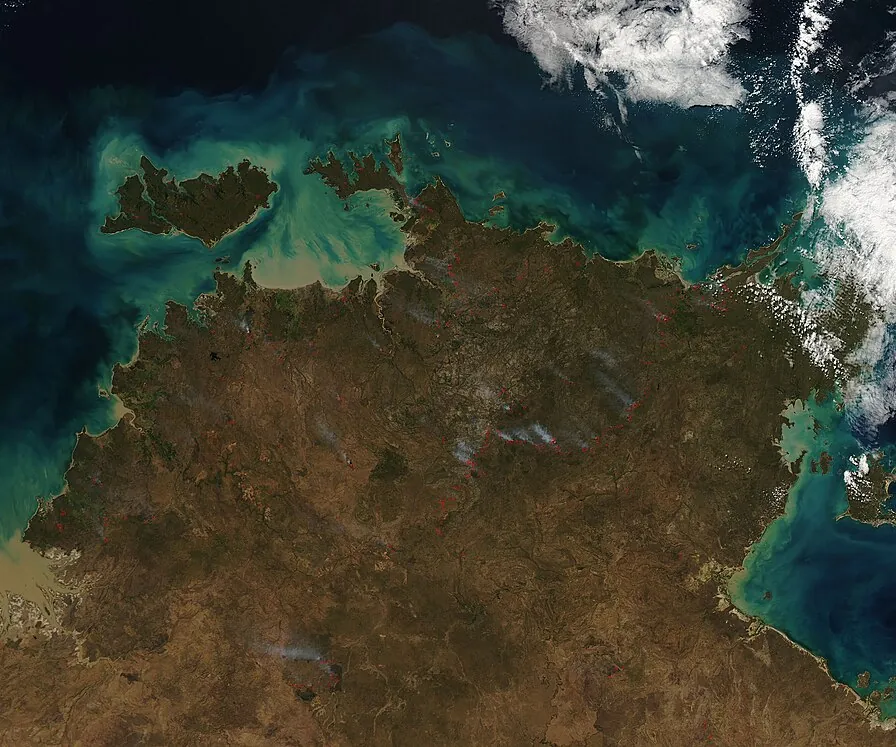
Cultural burns are small, cool, slow fires lit at the right time of year (often early in the dry season or in cool months) in the right places. They burn the grass and leaf litter but not the tree canopy, so animals can walk away and trees survive. Burning different patches in different years creates a mosaic: a patchwork of bush of different ages. This gives a variety of habitats, encourages fresh grass that attracts kangaroos and wallabies, helps some plants to sprout or release seed, and removes the build-up of fuel that feeds hot, destructive bushfires.
After the Black Summer bushfires of 2019–20, many fire agencies and landholders began working with Aboriginal fire practitioners to bring cultural burning back.
- Without doing any cool burns, press "Next year" three times, then Lightning. How much burns?
- Start again. Each year, light six small cool burns spread across the land, then press Next year. After a few years, try Lightning.
- Where is the best place to put cool burns to stop a fire spreading?
Indigenous management today
Aboriginal and Torres Strait Islander peoples now hold rights and interests in over half of Australia's land. Indigenous Protected Areas, managed by Traditional Owners, make up around half of all of Australia's protected land. Thousands of Indigenous rangers combine traditional knowledge with modern science: controlling feral animals and weeds, monitoring threatened species, cleaning up ghost nets on northern beaches, and managing fire. Burning by rangers in northern Australia reduces large late-season fires and the carbon dioxide they release, and earns carbon credits.
Booderee National Park at Jervis Bay on the NSW south coast is owned by the Wreck Bay Aboriginal Community and managed jointly with Parks Australia. Traditional Owners can hunt, gather food and hold ceremonies there while the park's plants, animals, land and sea are protected.
Test yourself
Which of these is a living resource?
Cotton comes from a plant.
Cultural burns are
They reduce fuel and create a mosaic.
The Budj Bim system was built to
Channels and ponds held short-finned eels.
Clearing rainforest for palm oil plantations is a problem because it
Orangutans and tigers lose their homes.
Booderee National Park is
Joint management combines both kinds of knowledge.
Where does it come from?
Small, cool fires lit by Aboriginal people are called burns. Burning different patches in different years creates a . This reduces , so hot bushfires spread less. Stone fish traps at were shared under strict rules.
Explain how cultural burning helps manage the land, and why knowledge held by Aboriginal and Torres Strait Islander peoples is valuable for managing resources today.
Cultural burns are small, cool fires lit at the right time of year. They burn grass and leaf litter on the ground but not the tree canopy, so trees survive and animals can move away. Because different patches are burnt in different years, the land becomes a mosaic of bush of different ages. The burnt patches have little fuel, so when a hot bushfire starts it runs out of fuel and spreads less, and the mosaic gives a variety of habitats for plants and animals. This knowledge is valuable because Aboriginal and Torres Strait Islander peoples developed and tested it over tens of thousands of years of living on the same Country, so it is based on very long, detailed observation of local seasons, plants and animals. Today rangers and fire services use it alongside modern science to reduce bushfire risk and protect threatened species.