 Coaching Centre
Impacts and rising seas
The observed and projected impacts of climate change in Australia, why sea level is rising and by how much, what it means for low-lying communities such as the Torres Strait Islands, First Nations memories of past sea-level rise, extinction and biodiversity, and adapting to change.
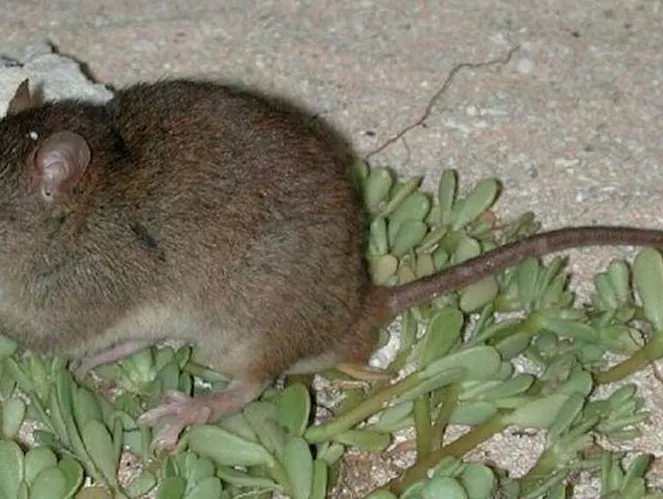
The Bramble Cay melomys was a small brown rodent that lived on just one place on Earth: a sand cay about 340 metres long at the northern tip of the Great Barrier Reef, in the Torres Strait. The cay is only about 3 metres above high tide. As storm surges and high tides washed over it more and more often, the plants the melomys ate were stripped away. It was last seen in 2009, and when scientists searched the cay in 2014 they found none. It was declared extinct, and is thought to be the first mammal anywhere whose extinction was caused mainly by human-driven climate change.
What is already changing in Australia
The CSIRO and Bureau of Meteorology State of the Climate 2024 report lists changes that have already happened:
- Australia has warmed by about 1.5 °C since 1910, and very hot days and nights are far more frequent.
- Fire weather has increased, with longer fire seasons in southern and eastern Australia; the 2019–20 Black Summer fires burned more than 24 million hectares.
- Cool-season rain has fallen in the south-west and south-east (7C), and heavy downpours are more intense.
- The oceans around Australia have warmed by about 1 °C since 1900, marine heatwaves are longer and more frequent, and the sea has become more acidic (Year 10, 3G).
- The Great Barrier Reef has suffered repeated mass coral bleaching (Year 9, 3G); and in the Alps the snow season is shorter.
Because the spheres are linked, the impacts cascade. Warmer seas bleach coral (hydrosphere to biosphere); dead reefs break down and protect the coast less from waves (biosphere to lithosphere); hotter, drier conditions increase fire, which releases carbon dioxide (biosphere to atmosphere), adding to warming.
Why the sea is rising
- Thermal expansion: water expands as it warms. The ocean has absorbed most of the extra heat, so this has been a major cause.
- Melting glaciers on mountains around the world add water from land.
- Ice sheets on Greenland and Antarctica are melting and sliding into the sea faster than snowfall replaces them.
Floating sea ice is a special case: it already displaces its own mass of water, so when it melts the sea level barely changes, just as melting ice cubes don't make a drink overflow. (It still matters, through the ice–albedo feedback.)
Global sea level rose about 20 cm between 1901 and 2018, and the rate has roughly doubled since the 1990s to more than 4 mm per year. Even if emissions stopped tomorrow, the sea would keep rising for centuries, because the deep ocean and the ice sheets respond slowly. The IPCC's projections for 2100, compared with 1995–2014, are:
| Emissions pathway | Likely rise by 2100 |
|---|---|
| Very low (strong, fast cuts) | 0.28–0.55 m |
| Low | 0.32–0.62 m |
| Intermediate | 0.44–0.76 m |
| Very high | 0.63–1.01 m (close to 2 m can't be ruled out if Antarctic ice sheets become unstable) |
A rise of half a metre may not sound like much. But floods happen when high tides and storm surges arrive on top of the sea level, so each extra centimetre makes floods more frequent. The IPCC expects that by 2100, at more than half of the world's tide gauges, a sea level that used to be reached once a century will be reached at least once a year.
- With the intermediate pathway, move the year to 2100. How much has the sea risen? Are any houses flooded on a normal day?
- Turn on the highest tides and a storm surge. In which year do the first houses flood under each emissions pathway?
- Compare low and very high emissions in 2150. What difference do emission cuts make?
- Which source adds the most water? Why is melting Antarctic ice the biggest uncertainty?
The Torres Strait: on the front line
Some Torres Strait islands, such as Masig, Poruma, Warraber and Boigu, are low coral cays or mud islands only a few metres above high tide. King tides and storm surges already wash into homes and erode cemeteries, sacred sites and the land that holds culture and family history. In 2019 eight Torres Strait Islanders took a complaint to the United Nations Human Rights Committee, which ruled in 2022 that Australia had violated their rights by failing to protect them adequately from climate change. A related case in the Federal Court, seeking to establish a legal duty of care, was dismissed in July 2025, although the court accepted the islands face serious harm. Sea walls and raised land are being built on several islands while communities debate how to stay on Country.
Rising seas are not new to First Nations peoples. When the last ice age ended, sea level rose about 120 m, flooding the land bridges to Tasmania and New Guinea and drowning huge areas of coastline between about 18 000 and 7000 years ago. Researchers have recorded stories from more than 20 places around Australia's coast that describe a time when the coastline was much further out. Boonwurrung stories, for example, tell of Port Phillip Bay as dry land where people once hunted, before the sea rushed in. If these stories describe those events, they have been passed down for more than 7000 years.
Biodiversity under pressure
Australia has a terrible extinction record: more than 30 mammal species have gone extinct since 1788, more than on any other continent, mainly because of cats, foxes and land clearing. Climate change adds to these pressures. Species with small ranges or nowhere cooler to move, such as the Bramble Cay melomys or mountain-top frogs and possums, are most at risk. Ecosystems also change when key species are lost: in Sydney Harbour, where large fish have been heavily fished, sea urchins multiply and eat the seaweed, leaving bare "urchin barrens"; where fishing is limited, fish keep urchins in check and seaweed forests survive.
Adapting
Adaptation means changing how we live to reduce the harm from climate change that can no longer be avoided: designing houses for heat, planning where not to build on coasts and flood plains, breeding heat-tolerant crops and corals, restoring mangroves and saltmarsh that grow upwards as the sea rises, and giving communities early warnings of heatwaves and fires. Adaptation works alongside mitigation (7I), cutting the emissions that cause the change. The more we mitigate, the less we have to adapt.
Test yourself
Which of these does NOT directly raise sea level?
Floating ice already displaces its own mass of water.
Why do small rises in sea level greatly increase coastal flooding?
Floods come from extremes on top of the average sea level.
Restoring mangroves to protect a coastline from rising seas is an example of
It reduces harm from changes already under way.
The Bramble Cay melomys became extinct mainly because
Its tiny, low island was repeatedly washed over by the sea.
Label the causes of sea-level change.
Sort the responses.
Water expanding as it warms is called thermal . Large masses of ice on land, such as on Greenland, are called ice . Water pushed ashore by a cyclone is a storm . Reducing the harm from unavoidable climate change is called . Cutting greenhouse gas emissions is called .
Explain why sea level is rising and why low-lying Torres Strait islands face increasing flooding, even though the average rise so far has been only about 20 cm.
Sea level is rising because greenhouse gases are trapping extra heat, most of which goes into the ocean. Warmer water expands (thermal expansion), and warmer air and water are melting mountain glaciers and the ice sheets on Greenland and Antarctica, adding water to the sea. (Melting floating sea ice doesn't add much, because it already displaces its own mass.) Many Torres Strait islands are only a few metres above high tide. Flooding there doesn't come from the average sea level alone but from the highest tides and storm surges on top of it. Raising the base level by 20 cm means king tides and surges that used to stop short now reach homes, roads and cemeteries, and they do it far more often. Erosion also eats away the low sandy edges of the islands. Since the rise is accelerating and will continue for centuries, these floods will become more frequent, threatening the communities and their cultural connection to their islands.