 Coaching Centre
Medicines and new materials
How medicines are discovered and developed, from willow bark and First Nations bush medicines to penicillin and modern drug trials, antibiotic resistance, and how scientists collaborate to obtain aluminium, oxygen, dyes and new materials from the Earth's spheres.
In 1984, Australian doctor Barry Marshall drank a flask of bacteria to prove a point. Within days he had an inflamed stomach. He and pathologist Robin Warren had discovered that most stomach ulcers are caused by bacteria, not stress, and can be cured with antibiotics. They won the 2005 Nobel Prize in Physiology or Medicine.
From plants to pills
A pharmaceutical is a medicine made for treating or preventing disease. Developing one brings together biology (how the body and microbes work), pathology (how diseases affect the body) and chemistry (making the drug and understanding how it acts). Pharmacists study chemistry and pharmacology (how drugs affect the body), which is why a pharmacy is often called a chemist.
For most of history, medicines came from plants and animals, found by trial and error and passed down. Many still contain useful active ingredients. Willow bark was chewed for pain for thousands of years; chemists found its active ingredient, salicylic acid, and in 1897 changed it into a gentler compound, aspirin. Aspirin is now also used in low doses to help prevent heart attacks and strokes, because it reduces blood clotting.
First Nations medicines
Aboriginal and Torres Strait Islander peoples developed detailed knowledge of medicinal plants across many different Countries. Some examples, now studied by scientists:
- Tea tree: the Bundjalung people of northern New South Wales crushed tea-tree leaves to treat cuts and skin infections, and inhaled them for coughs and colds. Tea-tree oil has been shown to kill many bacteria and fungi and is now sold worldwide.
- Eucalyptus: leaves were crushed or soaked for fevers, pain and colds. Eucalyptus oil is used today in cough lozenges, inhalants and antiseptics.
- Emu bush: in parts of central and northern Australia, leaves were used to wash sores and cuts. Researchers found compounds in the leaves that kill some bacteria.
- Goat's foot (beach morning glory): heated leaves were applied to stingray and stonefish stings to relieve pain.
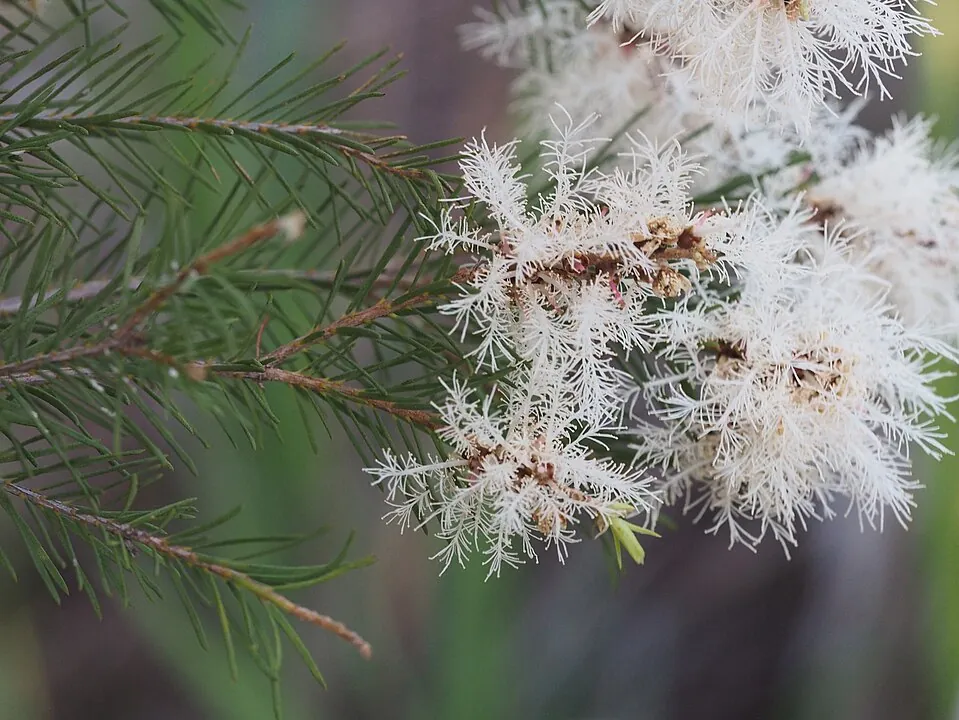
When companies use Traditional Knowledge to develop products, there are important questions about consent and fair sharing of benefits with the communities whose knowledge it is.
The discovery of penicillin
In 1928, Scottish scientist Alexander Fleming came back from holiday to find mould growing on one of his plates of bacteria. Around the mould was a clear ring where no bacteria grew. The mould, Penicillium, was making a substance that killed bacteria, which Fleming called penicillin. But he couldn't purify enough of it to use as a medicine.
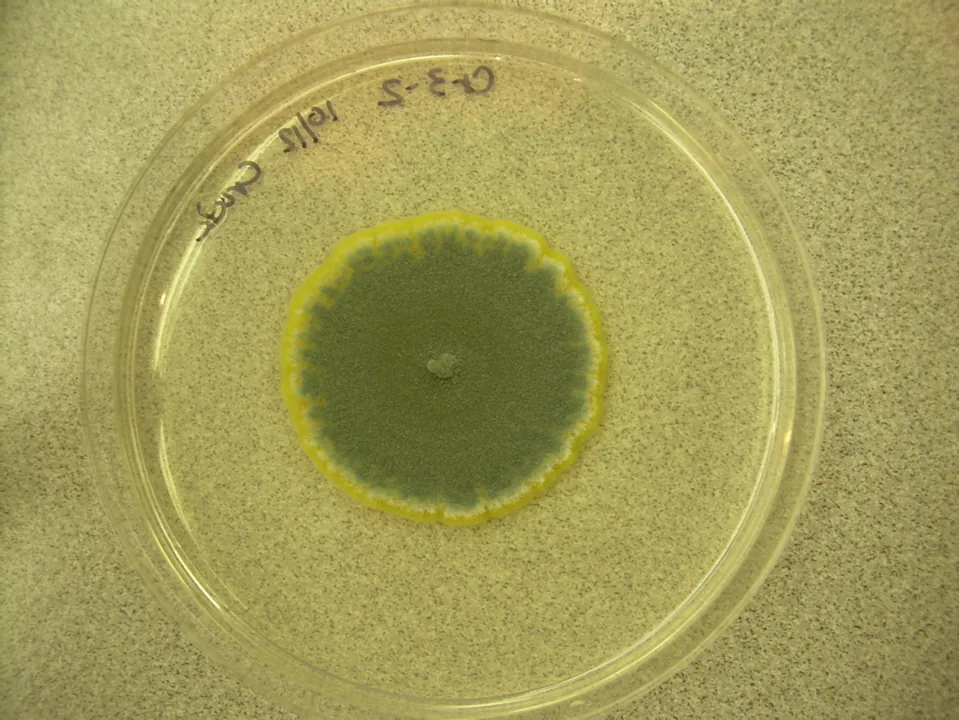
More than ten years later, a team at Oxford led by Australian Howard Florey, with German-born chemist Ernst Chain and biochemist Norman Heatley, found how to extract and purify penicillin and showed it could cure infections. Mass production in the United States during World War II saved thousands of soldiers' lives. Florey, Chain and Fleming shared the 1945 Nobel Prize. Penicillin was the first widely used antibiotic, a medicine that kills bacteria or stops them growing.
- Incubate the sensitive Staphylococcus. Rank the five discs from most to least effective.
- What is the sterile water disc for?
- Repeat with MRSA. Which treatment no longer works, and which still does?
- Why would a doctor test which antibiotic works before choosing one?
Developing new medicines today
New medicines are always needed. New diseases appear, and bacteria evolve antibiotic resistance: when antibiotics are overused, the few bacteria that survive pass on their resistance. MRSA, a "superbug" form of Staphylococcus aureus, resists many common antibiotics.
Today drug discovery relies less on luck. Scientists:
- study a disease to find a target, such as a protein a virus needs, and design molecules to block it;
- use robots to screen thousands of compounds against the target, including compounds from plants, fungi, soil bacteria and animals (Australian bull ant venom and frog skin have been studied);
- notice useful side effects of existing drugs;
- test promising drugs on cells and animals, then in clinical trials on increasing numbers of human volunteers, to check that they are safe and that they work.
In Australia, a medicine can only be sold after the Therapeutic Goods Administration (TGA) has assessed it. Bringing one new drug to market typically takes 10 to 15 years.
New materials from the Earth's spheres
Every material we use comes from one of Earth's spheres: the lithosphere (rocks and minerals), hydrosphere (water), atmosphere (air) or biosphere (living things). Getting useful materials out takes teams of scientists from different fields.
- Aluminium (lithosphere). Geologists find bauxite; miners and chemical engineers refine it into alumina (aluminium oxide). Because aluminium is reactive, the alumina is dissolved in molten cryolite and split by electrolysis. It takes about 4 to 5 tonnes of bauxite and a huge amount of electricity to make 1 tonne of aluminium. Materials scientists then design alloys for planes, cars and cans.
- Oxygen (atmosphere). Oxygen was discovered in the 1770s by Carl Wilhelm Scheele and Joseph Priestley, and named by Antoine Lavoisier. Today air (about 21% oxygen) is cooled to around −200 °C until it liquefies, then fractionally distilled: nitrogen boils off at −196 °C, argon at −186 °C and oxygen at −183 °C. The oxygen is used in hospitals and steelmaking.
- Dyes (biosphere to lab). Tyrian purple, made from sea snails, took thousands of snails for a single garment, so purple became the colour of emperors. In 1856, 18-year-old William Perkin, trying to make the malaria drug quinine from coal tar, accidentally made the first synthetic dye, mauveine. Within decades cheap synthetic dyes in every colour had replaced most natural ones.
- Shrilk (biosphere). In 2011 researchers at Harvard combined chitin from discarded shrimp shells with a protein from silk to make a tough, biodegradable plastic-like material. It needed biologists, biochemists and materials engineers working together.
Test yourself
Aspirin was developed from a compound found in
Salicylic acid from willow bark.
Which Australian scientist led the team that turned penicillin into a usable medicine?
Florey was born in Adelaide.
Antibiotic resistance happens because
Overuse speeds this up.
In an antibiotic test, a clear zone around a disc shows that
Bigger zone, more effective.
Pure oxygen for hospitals is obtained by
Oxygen boils off at −183 °C.
William Perkin is famous for
Mauveine, 1856.
Put the steps in developing a new medicine in order.
Which sphere does each material come from?
A medicine that kills bacteria is an . Bacteria that are no longer killed by a drug are . New drugs are tested on human volunteers in clinical . Aluminium is extracted from alumina by . The Bundjalung people used leaves to treat cuts and infections.
Using penicillin and one other example, explain why collaboration between scientists from different fields is important in developing new medicines or materials.
Penicillin shows why collaboration matters. Alexander Fleming, a bacteriologist, noticed in 1928 that a mould killed bacteria, but he lacked the chemistry skills to purify the substance, and the discovery sat unused for a decade. At Oxford, pathologist Howard Florey led a team including chemist Ernst Chain and biochemist Norman Heatley, who worked out how to extract and purify penicillin, tested it on mice and then patients, and with engineers in the United States scaled up production. Without all these fields, penicillin would not have become a medicine.
Aluminium is another example. Geologists locate bauxite deposits, mining engineers extract the ore, chemical engineers refine it into alumina, electrochemists run the electrolysis cells, and materials scientists design alloys light and strong enough for aircraft. Modern problems are too complex for one person or one field, so combining expertise leads to products that none of them could make alone.