 Coaching Centre
Harmful microorganisms
Eutrophication and algal blooms, fish kills, pathogens, disease-causing bacteria, fungi and protists such as tetanus, Salmonella, tinea, chytrid fungus and malaria, viruses and prions, and keeping food safe in the fridge.
In March 2023, residents of Menindee in far western NSW woke to find the Darling River silver with dead fish. Millions of bony herring, Murray cod and golden perch had suffocated in a few days. No poison had been spilled. The river had simply run out of oxygen, and microorganisms were a big part of the reason.
Too much of a good thing: algal blooms
Algae and cyanobacteria are vital producers, but too many of them is a disaster. Eutrophication happens when a lake, river or bay gets too many nutrients, usually nitrogen and phosphorus from fertiliser washing off farms and gardens, or from sewage and animal dung.
- Nutrients wash in. Fertiliser or sewage enters the water.
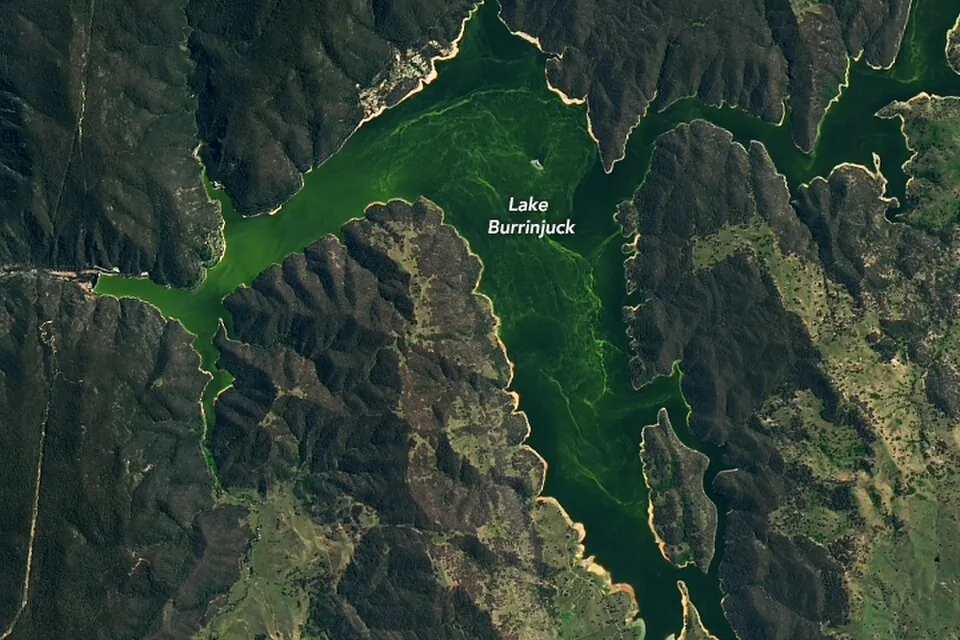
- Algae multiply. With plenty of nutrients and warm, still water, algae and cyanobacteria reproduce explosively, forming an algal bloom that can turn the water bright green.
- Light is blocked. The bloom covers the surface, so water plants below can't photosynthesise, and they die.
- Oxygen falls. During the day the algae make oxygen, but at night they use it up in respiration. As the algae and plants die, decomposer bacteria feeding on them use up even more oxygen.
- Animals die. Fish, crayfish and other animals suffocate.
Some cyanobacteria also release toxins that can kill livestock, pets and birds that drink the water, and make people sick. When a bloom is found, councils close beaches and dams to swimming. In 1991 a bloom stretched about 1000 km along the Darling River, one of the largest ever recorded, and NSW declared a state of emergency.
- Run 30 days with no fertiliser run-off. Describe the oxygen graph. Why does it go up and down?
- Run again with lots of run-off. On which day do the first fish die? Is it during the day or at night?
- Keep lots of run-off but plant a reed buffer strip. What changes, and why?
Hot weather makes blooms worse, because warm water holds less oxygen and algae grow faster. Low river flows in drought make it worse again, because the water sits still. The Menindee fish kills of 2019 and 2023 came from a combination of all of these.
Microbes that cause disease
A pathogen is anything that can cause a disease. Most microorganisms are not pathogens, but some bacteria, fungi and protists are. Viruses and prions also cause disease, even though they aren't usually considered living. Diseases matter in ecosystems as well as for people: a disease that sweeps through one species can upset a whole food web.
| Type | Examples | What happens |
|---|---|---|
| Bacteria | Clostridium tetani (tetanus) | Lives in soil and enters through cuts. Grows where there's no oxygen, deep in a wound, and makes a toxin that locks muscles, including the jaw (lockjaw). Prevented by vaccination. |
| Salmonella | Found in raw chicken, eggs and other foods. Causes food poisoning: cramps, vomiting and diarrhoea. | |
| Fungi | Tinea (athlete's foot), ringworm | Itchy, flaky skin. Spread by sharing towels, shoes and damp floors. |
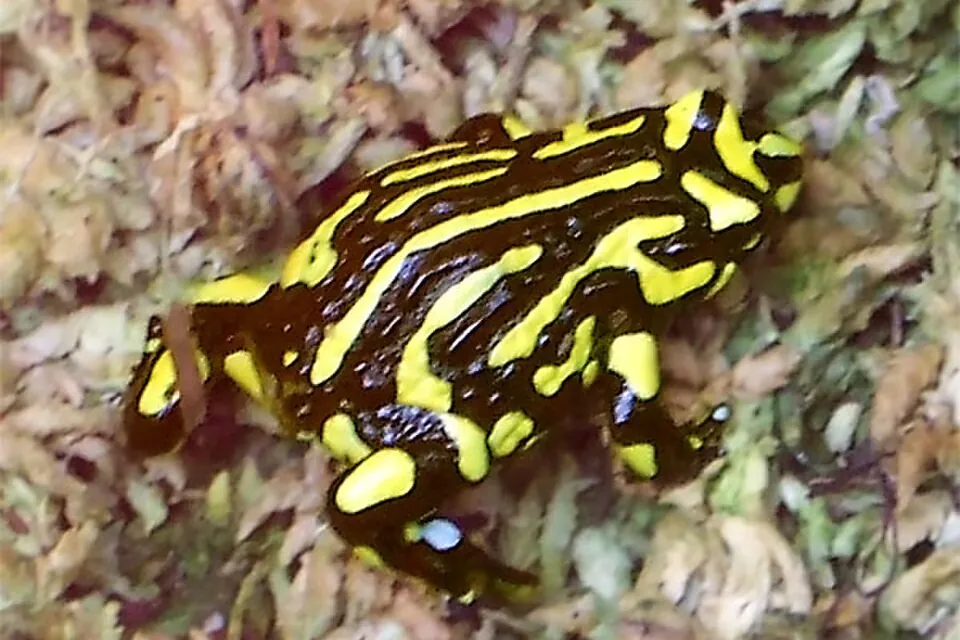
| Chytrid fungus | Infects frogs' skin, which they use to breathe and take up water. Has contributed to the extinction or decline of over 40 Australian frog species, including the southern corroboree frog in the Snowy Mountains. | |
| Myrtle rust, Phytophthora dieback | Plant diseases. Myrtle rust arrived on the NSW Central Coast in 2010 and attacks eucalypts, paperbarks and lilly pillies. (Phytophthora is actually a water mould, closely related to algae, but it behaves like a fungus.) | |
| Protists | Plasmodium (malaria) | Spread by mosquito bites. Infects the liver and red blood cells. Malaria still kills about 600 000 people a year, mostly young children in Africa. |
| Giardia | A parasite of the small intestine, caught from contaminated water. Causes diarrhoea and stomach pain. | |
| Viruses (not living) | Colds, flu, COVID-19, measles | Reproduce inside your cells. Antibiotics don't work on them; vaccines prevent many of them. |
Keeping food safe
Bacteria in food double in number as often as every 20 minutes when it's warm. The temperature range between 5 °C and 60 °C is called the danger zone. Food safety rules are based on the biology of microbes:
- Refrigerate food at 5 °C or below. Cold doesn't kill bacteria, but it slows their growth almost to a stop.
- Cook food thoroughly, especially chicken and mince. Heat kills bacteria. But some bacteria release toxins that cooking doesn't destroy, so food left out too long can still make you sick even after reheating.
- Keep raw meat away from ready-to-eat foods, and wash your hands and chopping boards.
Test yourself
What usually starts eutrophication?
Nutrients like nitrogen and phosphorus feed an explosion of algae.
In an algal bloom, oxygen levels are usually lowest
All night, algae respire without photosynthesising, so oxygen falls until the sun rises.
Which disease is caused by a protist?
Malaria is caused by Plasmodium, spread by mosquitoes.
Why should you clean a deep cut you get while gardening?
Clostridium tetani lives in soil and grows without oxygen.
Food should be kept in a fridge at or below
At 5 °C or below, most bacteria grow very slowly.
Label the stages of eutrophication.
Put the stages of eutrophication in order.
What causes each disease?
Anything that can cause disease is called a . When too many nutrients enter water, multiply and form a bloom. At night they use up in respiration. Fridges slow the growth of but don't kill them.
A farmer spreads extra fertiliser on paddocks next to a dam just before heavy rain. A few weeks later, many fish in the dam are found dead. Explain the sequence of events that most likely killed the fish.
The heavy rain washed the fertiliser off the paddocks into the dam, adding extra nutrients like nitrogen and phosphorus. This caused eutrophication: algae and cyanobacteria fed on the nutrients and multiplied into a bloom covering the surface. The bloom blocked sunlight, so the water plants below couldn't photosynthesise and died. At night the algae used up oxygen in respiration, and decomposer bacteria breaking down the dead plants and algae used up even more. The dissolved oxygen fell so low that the fish suffocated.