 Coaching Centre
Introduced species and biological control
Why introduced species become pests, rabbits, foxes, cats and the northern Pacific seastar, prickly pear and the cactus moth, cane toads and what went wrong, biological control done well, and why biodiversity makes ecosystems stronger.
In Chinchilla, Queensland, there's a public hall named after a caterpillar. The Cactoblastis Memorial Hall was built in 1936 to thank a small South American moth for saving millions of hectares of farmland. Ninety years later, Queensland's most famous introduced animal is the cane toad, and nobody is building halls for that.
Introduced species
An introduced species is one that people have brought into an ecosystem where it didn't live naturally. Many are harmless or useful, like wheat, sheep and honeybees. But some become pests (or weeds, for plants), because:
- they have no natural predators or diseases in their new home to keep their numbers down
- they outcompete native species for food, water, shelter or space
- native animals have no defences against them, because they never evolved alongside them
Australia has been hit especially hard. Its plants and animals evolved in isolation for tens of millions of years, so they were unprepared for animals such as cats and foxes. Since 1788 more than 100 Australian species have become extinct, including over 30 mammals, the worst record for mammals of any country. Introduced predators are the biggest single cause.
| Species | How it arrived | The damage |
|---|---|---|
| European rabbit | 24 released for hunting near Geelong in 1859 | Hundreds of millions within decades. Strip vegetation, cause erosion, compete with native grazers. |
| Red fox | Released for hunting in Victoria in the 1870s | Kills small and medium native mammals, birds and turtles. |
| Feral cat | Came with European settlers as pets | Kills more than a billion native animals a year. Found across almost the whole mainland. |
| Northern Pacific seastar | Carried in ships' ballast water from Asia, first noticed in Tasmania in the mid-1980s | Eats shellfish, fish eggs and native seastars' food. Now covers parts of Port Phillip Bay. |
Biological control
One way to fight a pest is biological control: using a living thing, such as a predator, parasite or disease, that attacks the pest. It can work brilliantly, or it can create a brand-new pest. The difference is research: you have to understand the food webs in both the old home and the new one.
Success: prickly pear and the cactus moth
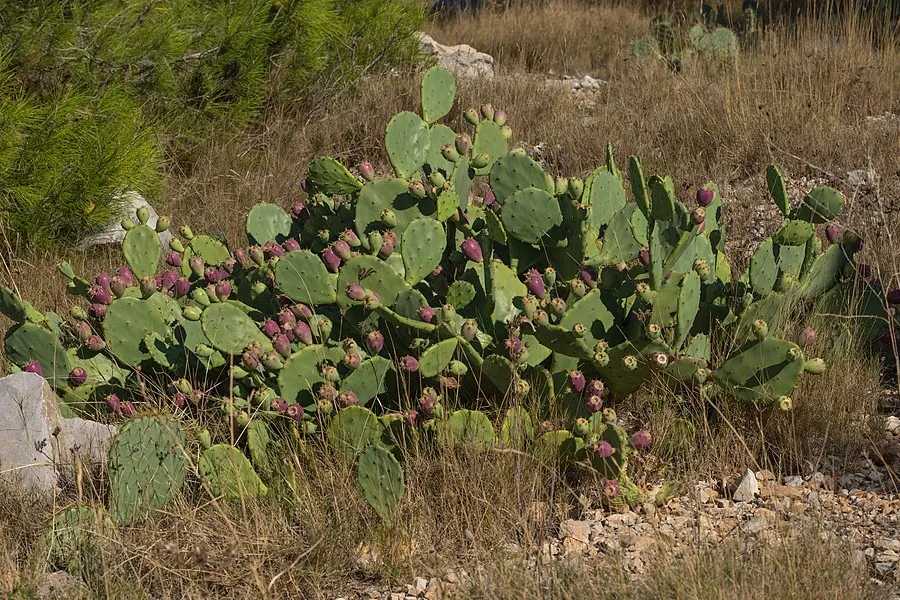
Prickly pear cactus came to Australia from the Americas. It was planted as a hedge and to raise the cochineal insects used to make red dye. In the hot, dry inland it had no predators at all. By 1925 it covered about 24 million hectares of Queensland and NSW, so thickly that farms had to be abandoned.
Scientists went to South and Central America to search for insects that ate prickly pear there, and tested dozens to check they wouldn't attack anything else. The winner was the moth Cactoblastis cactorum. Its caterpillars burrow into the cactus pads and destroy them from the inside. Billions of eggs were spread from 1926, and within about seven years most of the prickly pear had collapsed. The caterpillars eat only prickly pear, and the moths became food for native birds and bats, so they slotted into the food web without causing harm.
Failure: cane toads
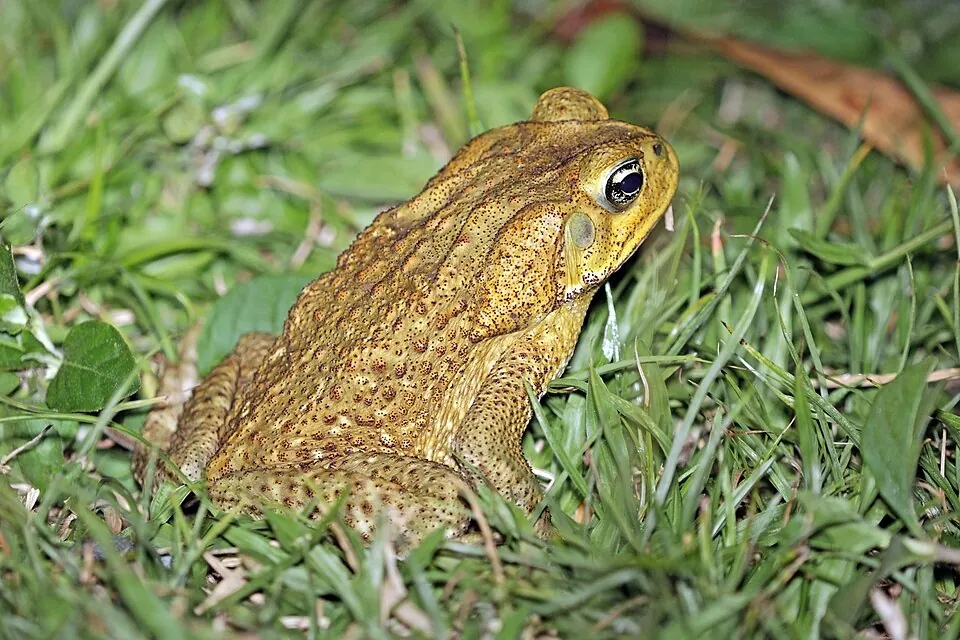
In 1935, 102 cane toads were brought from Hawaii to eat the cane beetles damaging Queensland's sugar crops. Within months, about 3000 young toads bred from them were released near Cairns, Gordonvale and Innisfail, and later in other sugar districts. Very little research was done first, and it showed. Adult beetles live high on the cane leaves and their grubs live deep among the roots, and toads can reach neither. So the toads ate almost everything else instead.
Cane toads have poison glands on their shoulders. Native predators such as northern quolls, goannas, some snakes and freshwater crocodiles had never met a toad before, and many die after one bite. Quolls have disappeared from large areas as the toads arrived. With no predators to control them, toads now number well over 200 million.
- Press Play and watch 90 years go by. In which decade did the toads spread fastest?
- Find the year toads reached Kakadu National Park. What happened to the animals there?
- Switch on "Show where they could still spread". Why haven't toads spread into the dry centre or far south?
Some native animals are adapting. Torresian crows and some birds of prey have learned to flip toads over and eat only the non-poisonous belly. Researchers are using taste-aversion training: they feed quolls and goannas small toad sausages laced with a chemical that makes them sick but doesn't harm them. Trained animals learn to avoid toads, and some quolls released into Kakadu have survived toads. The front of the invasion is also moving faster than it used to, because the toads at the edge have evolved longer legs.
Why biodiversity matters
Biodiversity is the variety of living things in an area: how many different species there are, and the variety within each species. A rainforest has very high biodiversity. A wheat paddock has very low biodiversity: almost every plant is the same.
High biodiversity makes an ecosystem more resistant to change. If a disease, drought or new pest arrives, some species will cope better than others, and predators can switch to other prey. In a low-biodiversity ecosystem, one problem that hits the main species can make the whole system collapse. Introduced species reduce biodiversity by wiping out natives, which is why they are so dangerous.
Test yourself
Why did cane toads fail to control cane beetles?
Without research, nobody checked whether toads could actually get to the beetles.
Why was Cactoblastis a good choice of biological control?
Because it attacks only the pest, it didn't become a pest itself.
Which ecosystem would be most likely to survive a new plant disease?
High biodiversity means some species are likely to resist the disease.
How did the northern Pacific seastar most likely get to Australia?
Ships take on sea water as ballast in one port and release it in another, along with any larvae in it.
Why do many native Australian predators die after eating a cane toad?
Animals in toads' native range have evolved ways to cope; Australian ones haven't.
Put the steps of a careful biological control program in order.
Is it biological control?
A species brought into an ecosystem by people is called an species. It may become a pest if it has no natural to keep its numbers down. Using a living enemy to control a pest is called control. The variety of species in an ecosystem is its .
Compare the introduction of the cactus moth with the introduction of the cane toad. In your answer, explain why one was a success and the other a failure.
Both species were introduced as biological controls for pests. The cactus moth was a success because scientists studied prickly pear's natural enemies in South America and tested the moth before releasing it. Its caterpillars eat only prickly pear, and the adult moths became food for native birds, so it destroyed the pest and fitted into Australian food webs without harming anything else. The cane toad was a failure because little research was done first. The toads couldn't reach the cane beetles they were meant to eat, so they ate native animals instead, and their poison kills native predators such as quolls. With no predators of their own, their numbers exploded and they became a pest themselves.