 Coaching Centre
Helpful microorganisms
Microorganisms at every level of a food web: phytoplankton and nitrogen-fixing bacteria as producers, microbes in yoghurt, bread and cows' stomachs as consumers, decomposers and recycling, sewage treatment, cleaning up oil spills, and the microbiome in your gut.
Take a deep breath. Roughly every second breath of oxygen you take was made by microscopic organisms floating in the ocean. You'll never see them, but without them the air would be very different.
Microbes as producers
Microorganisms appear at every trophic level of every food web. Some are producers:
- Phytoplankton are microscopic algae and cyanobacteria that drift near the surface of oceans and lakes. They are the main producers in the sea, feeding everything from krill to blue whales. They reproduce fast but are eaten almost as fast, so although there are never huge amounts at one time, they make about half of all the oxygen produced on Earth each year.
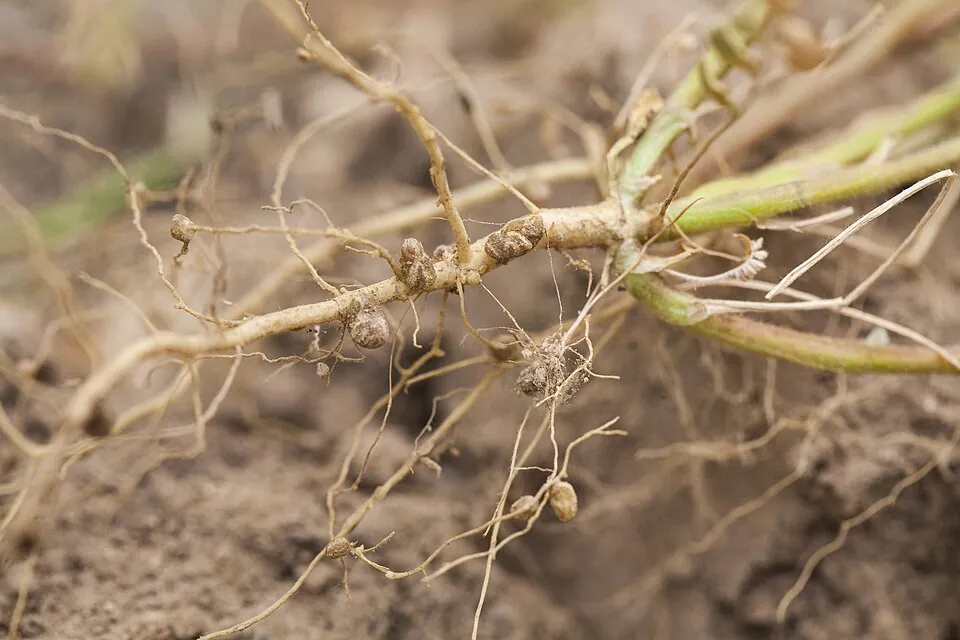
- Nitrogen-fixing bacteria help plants grow. Plants need nitrogen to make proteins, and the air is 78% nitrogen, but plants can't use nitrogen gas. Bacteria living in lumps (nodules) on the roots of plants such as wattles, peas, beans and clover convert it into a form plants can use. In return the plant gives them sugar and shelter. That's why farmers rotate wheat crops with legumes like lupins and chickpeas: the legumes leave the soil richer in nitrogen.
Microbes as consumers: food
Many of our foods are made by microbes eating something and turning it into something else. What's waste to the microbe is an ingredient to us.
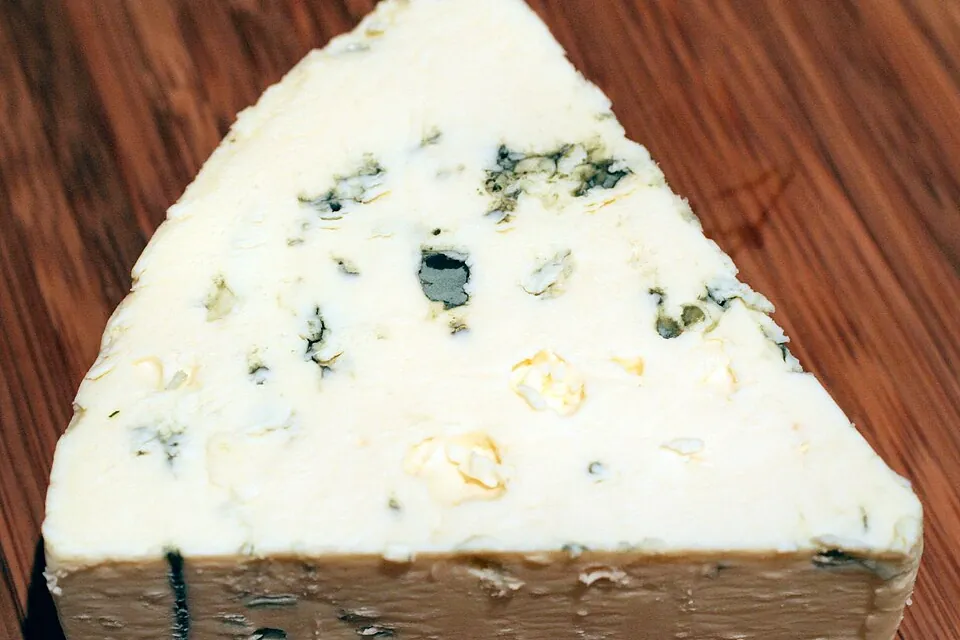
- Yoghurt and cheese. Bacteria such as Lactobacillus feed on lactose, the sugar in milk, and turn it into lactic acid. The acid thickens the milk and gives yoghurt its sour taste. Cheese makers also use bacteria and moulds; the blue veins in blue cheese are a Penicillium mould.
- Bread. Yeast feeds on sugars in the dough and releases carbon dioxide gas, which makes bubbles that cause the dough to rise. The heat of the oven then kills the yeast.
- Others: vinegar, soy sauce, kimchi, sauerkraut, salami and Vegemite (made from leftover brewer's yeast) all depend on microbes.
- Run the experiment at 35 °C with 1 teaspoon of sugar. How much gas is made in an hour?
- Repeat at 10 °C and at 60 °C. Explain the difference for each.
- Which variable did you change, which did you measure, and which did you keep the same?
Microbes inside animals
Plants are full of energy, but most of it is locked up in cellulose, the tough material of plant cell walls, which no animal can digest on its own. Herbivores rely on microbes to do it for them.
Cows, sheep and goats are ruminants. Their stomach has four chambers. The biggest, the rumen, holds up to 150 litres and is packed with bacteria, archaea, protists and fungi that ferment cellulose. The cow regurgitates partly digested food (cud) and chews it again to break it into smaller pieces for the microbes. One side effect: the archaea release methane, a greenhouse gas, which cows burp out. Australian researchers have found that adding a small amount of a red seaweed, Asparagopsis, to cattle feed can cut this methane by more than 80%.
Kangaroos aren't ruminants, but they also have microbes in a large fore-stomach. Koalas use microbes in a very long caecum to digest gum leaves.
Microbes as decomposers
Imagine a forest where nothing ever rotted. Dead leaves, branches and bodies would pile up for ever, and all the nutrients in them would be locked away. Bacteria and fungi prevent this. They break down dead material and return carbon dioxide to the air and nutrients such as nitrogen and phosphorus to the soil, where plants take them up again.
People use decomposers deliberately:
- Compost bins and worm farms turn food scraps into rich soil.
- Sewage treatment. At treatment plants, huge tanks of bacteria break down human waste into safer substances before the water is released or recycled.
- Cleaning up oil spills. After the Deepwater Horizon oil rig exploded in the Gulf of Mexico in 2010, releasing about 780 million litres of oil, scientists found that naturally occurring oil-eating bacteria had multiplied rapidly and broken down much of it. Using microbes to clean up pollution is called bioremediation.
The microbes in you
Your body is home to trillions of microbes, about as many as you have human cells. Together they're called your microbiome, or natural flora.
- Microbes on your skin take up space and nutrients that harmful microbes would otherwise use.
- The thousands of species in your large intestine digest fibre your body can't, make vitamins such as vitamin K, and help train your immune system. Most types of E. coli live there harmlessly; only a few strains cause food poisoning.
Taking antibiotics kills many of these helpful bacteria along with the harmful ones, which is why some people get an upset stomach or a fungal infection afterwards: with fewer bacteria competing, other microbes can take over.
Test yourself
Nitrogen-fixing bacteria help plants by
Plants can't use nitrogen gas directly.
The gas that makes bread dough rise is
Yeast releases carbon dioxide as it uses sugar.
Why do cows chew their cud?
Smaller pieces give the microbes more surface to work on.
Which is an example of bioremediation?
Bioremediation means using living things to clean up pollution.
Roughly how much of Earth's oxygen do phytoplankton produce?
Ocean phytoplankton produce about half; land plants produce most of the rest.
Label the cow's digestive system.
What role does each microbe play?
Bacteria and fungi that break down dead material are called . They return to the soil for plants to use. Cows can digest grass because microbes in their break down . The community of microbes living in and on your body is called your .
A student says "Bacteria are bad for us and the world would be better without them." Evaluate this statement, using at least three examples.
This statement is mostly wrong. Some bacteria do cause disease, such as the ones that cause tetanus or food poisoning, but most bacteria are harmless or helpful. Decomposer bacteria break down dead plants and animals and return nutrients to the soil, so without them nutrients would stay locked up and plants couldn't grow. Nitrogen-fixing bacteria in root nodules supply plants with nitrogen. The bacteria in our gut make vitamin K and stop harmful bacteria from settling there. Cyanobacteria in the oceans make much of the oxygen we breathe. The world would be far worse off without bacteria; in fact most life could not survive.