 Coaching Centre
Materials through history
How people in different cultures have used elements and compounds, from First Nations Australians' stone, ochre, resin and plant fibre technologies to the Stone, Copper, Bronze and Iron Ages, smelting, alloys and steel.
The oldest known ground-edge axe in the world was found in the Kimberley region of Western Australia. Its fragments are at least 44 000 years old, tens of thousands of years older than ground-edge axes in Europe or Asia.
First Nations Australians' materials science
Aboriginal and Torres Strait Islander peoples have lived in Australia for at least 65 000 years. Over that time they developed sophisticated knowledge of the properties of local materials, passed on through generations, and matched each material carefully to its job.
- Stone tools: toolmakers chose stones such as quartzite, chert and silcrete that fracture to give sharp, predictable edges. Grinding a stone's edge against sandstone with water produced a tough, sharp axe. Some stone was heated in a fire before flaking, which changes its structure and makes it easier to shape into fine blades.
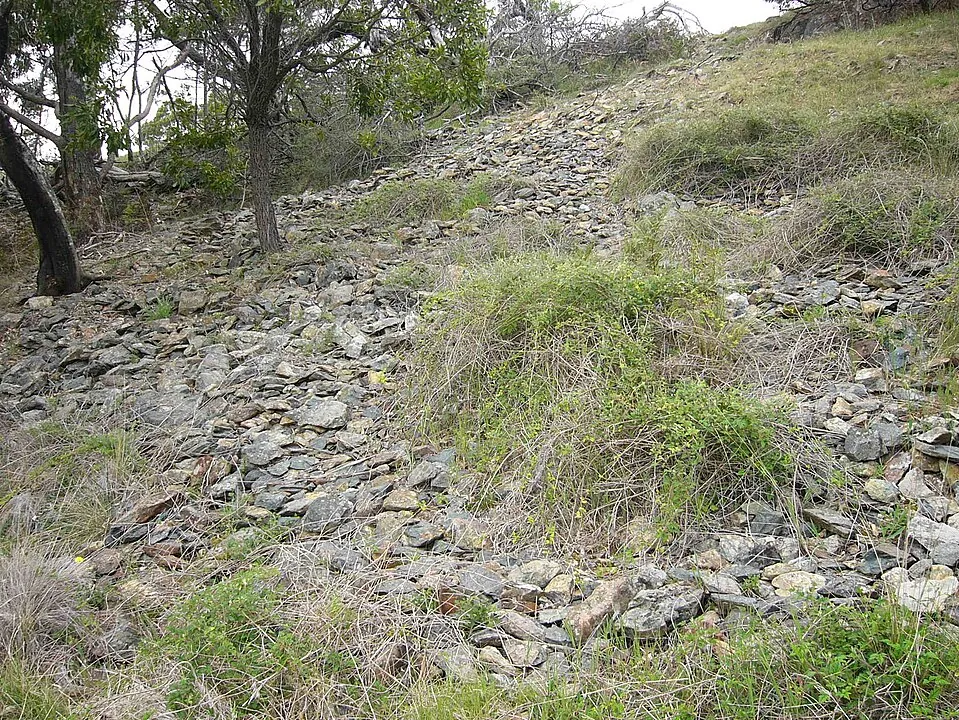
- Trade in stone: greenstone from the Mount William quarry in Wurundjeri Country (Victoria) made excellent axes because it is hard and tough. Axe heads from this quarry have been found hundreds of kilometres away, showing extensive trade networks.
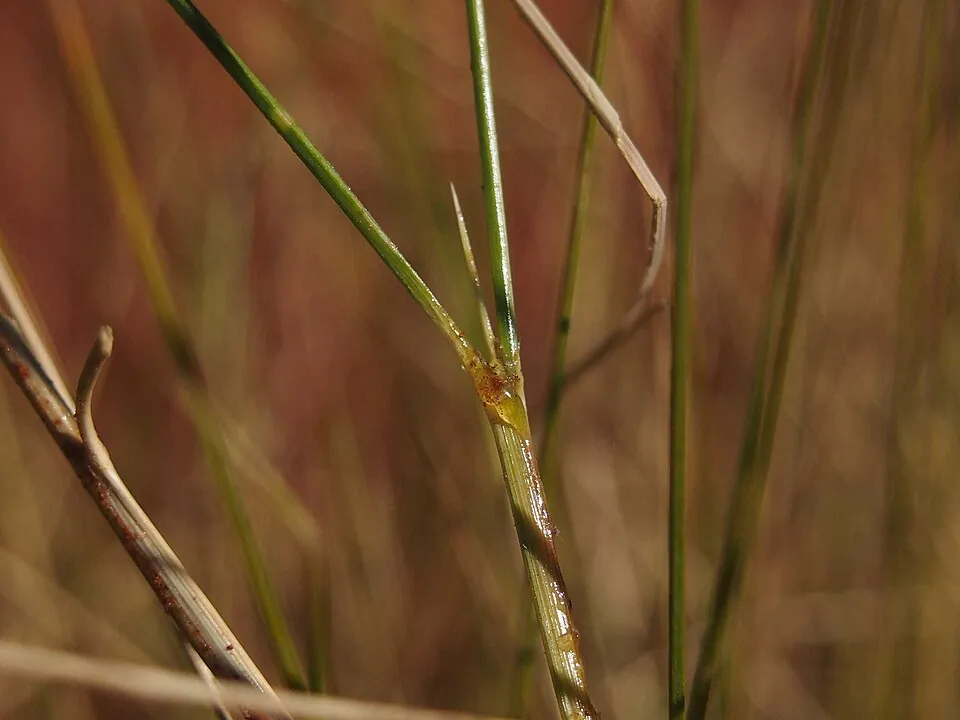
- Adhesives: resin from spinifex grass and other plants was heated and worked into a strong glue to fix stone points onto spears and handles. It softens when warmed and sets hard when it cools, so tools could be repaired.
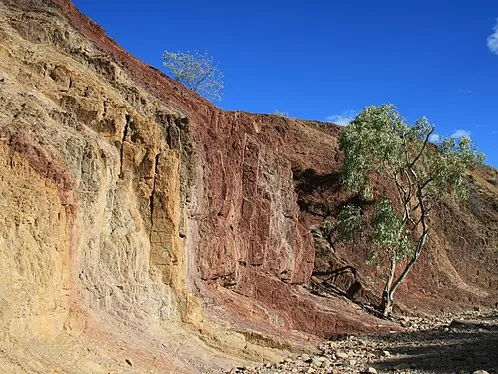
- Ochre: red, yellow and white earth pigments are coloured by iron oxides and other minerals. Ochre was mined, traded across the continent and used in ceremony, art and body paint, and to help preserve and protect skin and materials.
- Plant fibres and wood: spears were made from light, straight wood that was easy to throw; boomerangs and clubs from denser wood. Bark was stripped to make canoes (trees with "canoe scars" can still be seen), and baskets and bags woven from grasses, reeds and bark fibre could be tight enough to carry water or honey. Coolamons (carved wooden dishes) were used to carry food, water and even babies.
- Grindstones: grinding stones used to make flour from grass seeds are among the oldest evidence of seed grinding in the world.
The Stone, Bronze and Iron Ages
Archaeologists divide much of human history in Europe, Asia and Africa into ages named after the main material used for tools.
The Stone Age began over 3 million years ago, when early humans first chipped stones such as flint (a form of quartz) to make sharp edges. Wood, bone and shell were also used, but they rot, so few survive.
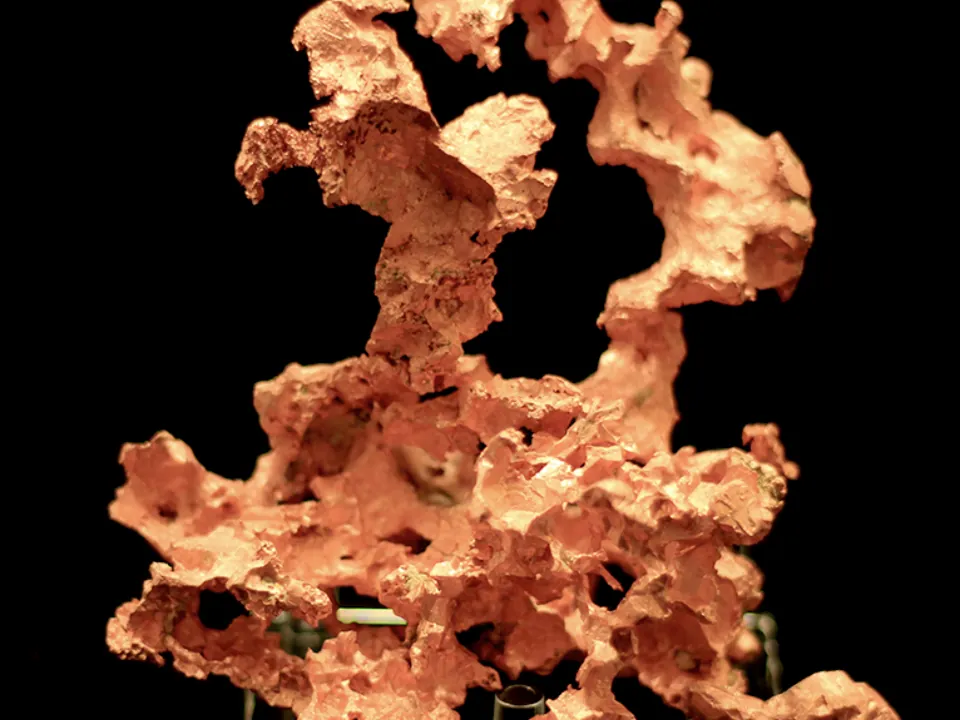
The Copper Age. Lumps of pure copper (native copper) can be found in a few places. Copper is soft enough to hammer into shape cold. But native copper is rare, and copper is too soft to keep a sharp edge. About 7000 years ago people discovered that heating green copper ores such as malachite with charcoal at very high temperatures released the metal. Extracting a metal from its ore using heat is called smelting. The charcoal does two jobs: it burns hot, and the carbon in it pulls oxygen away from the metal.
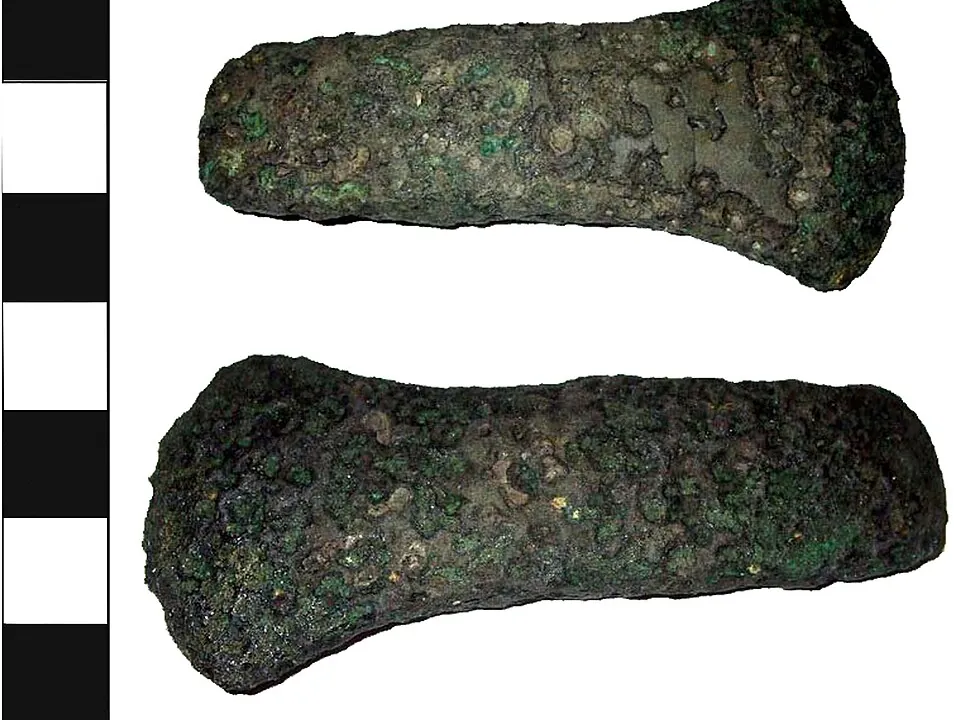
The Bronze Age. Metalworkers found that adding about 10% tin to copper produced bronze, an alloy much harder than either metal. Bronze tools and weapons held a sharp edge, and broken ones could be melted down and recast. Copper and tin ores are rarely found in the same place, so long-distance trade grew: tin from Cornwall in England reached the Middle East. Many historians think the need to keep track of trade helped writing spread.
The Iron Age. Iron ore is far more common than tin, so iron could be cheaper. But iron is harder to smelt: early furnaces couldn't melt it, producing instead a spongy lump that had to be hammered while red hot (forging; hence "strike while the iron is hot"). Smiths later learned that iron heated with charcoal absorbs a little carbon and becomes steel, which is much harder and tougher than bronze. Iron ploughs and steel tools transformed farming and warfare.
- Put malachite in a wood campfire. Does any copper come out? Now try hotter fires.
- Which ore gives a liquid metal at the lowest temperature?
- Try iron ore with charcoal and bellows. Why couldn't early smiths pour iron into moulds?
- Slide the tin from 0% to 25%. How does hardness change? Why did smiths settle on about 10%?
Test yourself
Extracting a metal from its ore using heat is called
Forging is shaping hot metal by hammering.
Bronze is an alloy of
Copper and zinc make brass.
Why did bronze replace copper for tools?
Copper is too soft to hold an edge.
Charcoal was used in smelting because it burns hot and
Carbon takes the oxygen, leaving the metal.
Mount William greenstone axes found hundreds of kilometres from the quarry are evidence of
The axes were exchanged over long distances.
Spinifex resin made a good adhesive for tools because it
That let it be shaped, set and reworked for repairs.
Put these in the order they first happened.
Which kind of property was being used?
Extracting copper from its ore is called . Adding tin to copper makes the alloy . Iron with a little carbon added is called . Shaping hot metal by hammering is called . Red and yellow ochre are coloured by iron .
Using one material used by First Nations Australians and one material from the Bronze or Iron Age, explain how people chose materials based on their properties. Describe what each material was used for and what we might use for the same job today.
First Nations Australians used resin from spinifex grass as an adhesive to fix stone points to spears and handles. The resin softens when heated so it can be shaped around the joint, then sets hard and strong when it cools; it can be reheated to repair the tool. Today we use synthetic glues such as epoxy resin, which also start soft and set hard.
In the Bronze Age, bronze (copper with about 10% tin) was used for axes, swords and tools. It is much harder than pure copper, so it keeps a sharp edge, and it melts at a lower temperature than copper, so it could be poured into moulds. Today we use steel for axes and blades, because it is even harder and tougher and iron ore is cheap and plentiful.