 Coaching Centre
Energy in reactions
Exothermic and endothermic reactions, why breaking and making bonds involves energy, activation energy and catalysts, and how hand warmers, glow sticks, ice packs, thermite and dynamite use energy changes.
A disposable hand warmer is just iron powder, salt, water and charcoal in a paper bag. Open the packet, let air in, and it stays warm for hours. Inside, the iron is rusting very quickly, and rusting gives out heat.
Where the energy comes from
Every chemical reaction involves energy, because bonds between atoms are broken and new ones are made.
- Breaking bonds takes in energy. You have to pull the atoms apart.
- Making bonds gives out energy. Atoms release energy as they join.
Whether a reaction heats up or cools down depends on which is bigger.
Exothermic and endothermic
An exothermic reaction gives out energy to the surroundings ("exo" means out), usually as heat and sometimes as light or sound. More energy is released making the new bonds than was needed to break the old ones. The surroundings get hotter. Burning, respiration, rusting, neutralisation and the reaction in hand warmers are all exothermic.
An endothermic reaction takes in energy from the surroundings ("endo" means in). The surroundings get colder, or energy must be supplied continuously. Photosynthesis (energy from light), cooking, the breakdown of baking soda in an oven, and vinegar reacting with baking soda are endothermic.
A common trap: if a beaker feels cold, energy is flowing from your hand into the reaction. The reaction is taking in heat, so it is endothermic.
Activation energy
If burning releases energy, why doesn't paper burst into flames on its own? Because almost every reaction needs a push to get started. Some bonds have to break before new ones can form. The minimum energy needed to start a reaction is its activation energy. Think of it as a hill the reactants must be pushed over before they can roll down the other side.
- A match has a low activation energy: the friction of striking is enough.
- Wood needs a flame. Once lit, the heat it releases keeps lighting the next bit, so it keeps burning.
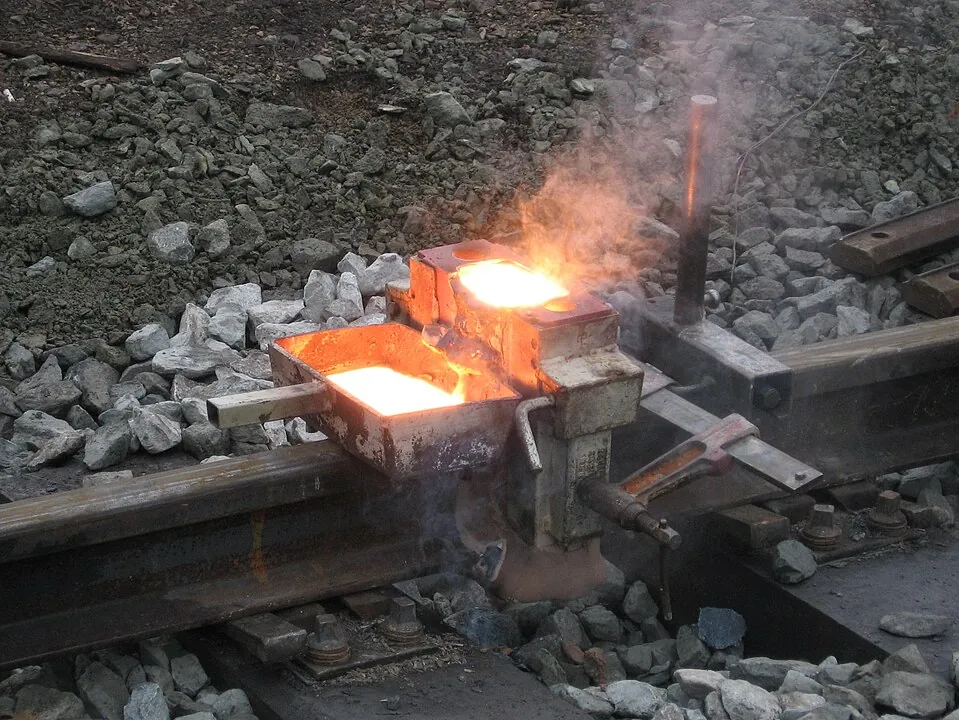
- Thermite, a mixture of aluminium powder and iron oxide, has a very high activation energy. It can only be lit with burning magnesium, then it reaches about 2500 °C, hot enough to produce molten iron. German chemist Hans Goldschmidt patented the process in 1895, and it is still used to weld railway tracks together.
A catalyst is a substance that speeds up a reaction by lowering the activation energy, without being used up itself. The enzymes in your body are catalysts: they let reactions happen fast at body temperature. A car's catalytic converter uses platinum and other metals to turn toxic exhaust gases into less harmful ones.
- For each reaction, find the smallest energy that starts it. Which needs the most?
- Compare an exothermic reaction (burning wood) with an endothermic one (photosynthesis). Where do the products end up?
- Turn on the catalyst. What changes, and what stays the same?
Using energy changes
| Product | What happens inside | Energy change |
|---|---|---|
| Hand warmer | Iron powder rusts quickly (salt speeds it up) | Exothermic: heat |
| Self-heating can of coffee | Water is released onto calcium oxide (quicklime) | Exothermic: heat |
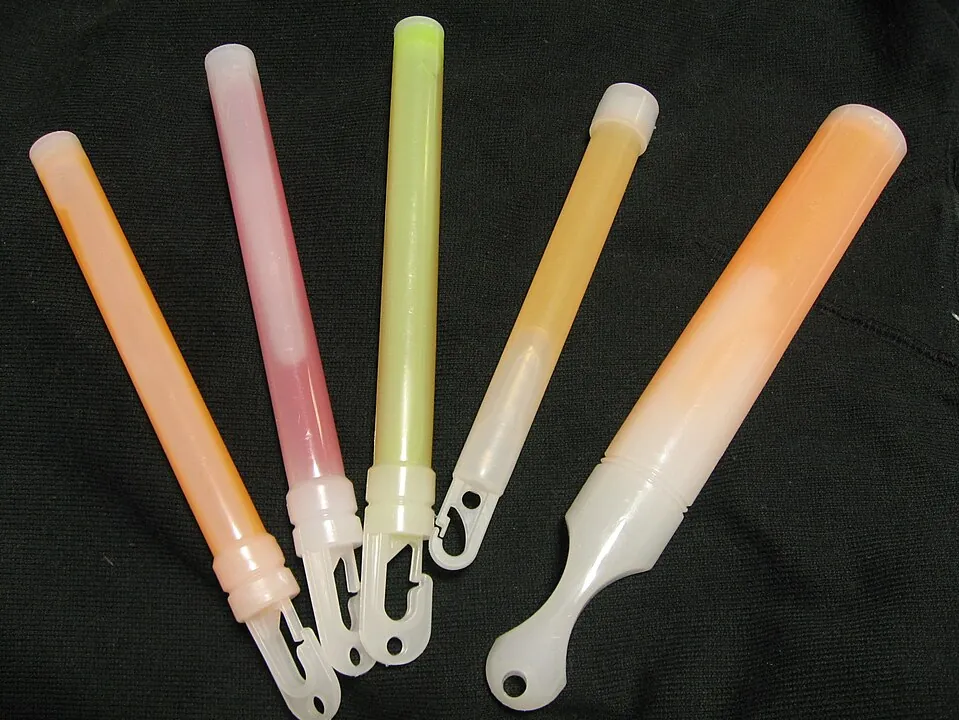
| Glow stick | Bending breaks a glass vial so two chemicals mix and react | Exothermic: light, almost no heat (chemiluminescence) |
| Instant ice pack | Water mixes with ammonium nitrate, which dissolves | Takes in heat. (Dissolving is a physical change, not a reaction.) |
| Sparkler | Metal powders burn | Exothermic: light and heat |
Test yourself
Two chemicals are mixed in a beaker, which then feels very cold. The reaction is
Heat flows from your hand into the beaker.
Activation energy is
It is the "hill" the reactants must get over.
Which reaction is endothermic?
It takes in light energy.
A catalyst
And it is left unchanged.
Thermite is safe to store because
It needs burning magnesium to start.
In an exothermic reaction
The extra energy is released as heat or light.
Label the energy diagram for the exothermic reaction.
Exothermic or endothermic?
A reaction that gives out heat is . A reaction that takes in heat is . Breaking bonds takes energy. The energy needed to start a reaction is the energy. Catalysts in living things are called .
A camper strikes a match to light a gas stove. Using the ideas of activation energy and exothermic reactions, explain why the match is needed, and why the stove keeps burning once it is lit.
Gas and oxygen don't react when they first mix, because bonds in the reactants must be broken before new bonds can form, and that takes energy. This minimum energy is the activation energy. The match flame supplies enough heat to get the first gas molecules over this barrier.
Burning is exothermic. When the carbon dioxide and water molecules form, more energy is released than was needed to break the bonds in the gas and oxygen. Some of this released heat provides the activation energy for the next gas molecules coming out of the stove, so the flame keeps going by itself until the gas is turned off.